

THE FUTURE OF EVENTS — TECHNOLOGY & INNOVATION
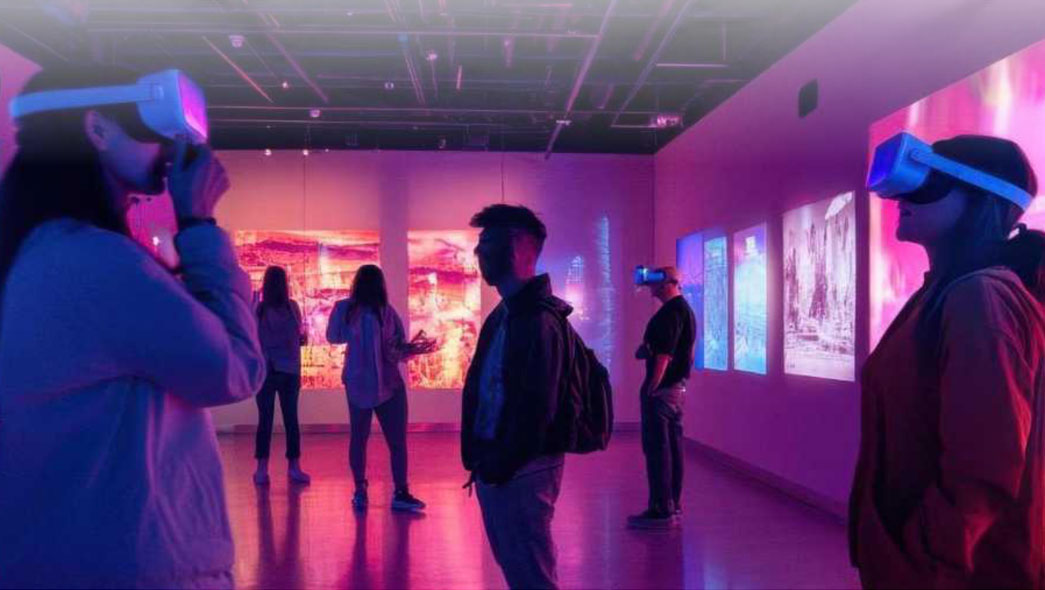
Today's participants expect more than just speeches and presentations—they seek interactive, immersive, and personalized experiences. Event organizers are responding by integrating digital technologies that make events smarter, more engaging, and more memorable.
According to event technology reports, AI-driven personalization, immersive VR environments, and real-time data analytics are among the most influential trends shaping events in 2025 and beyond.
Industry research also indicates that AI-driven personalization is considered the most transformative trend by many event professionals, demonstrating its growing impact on attendee engagement. "AI allows events to move from one-size-fits-all experiences to truly personalized attendee journeys."
Artificial Intelligence — Personalizing Every Attendee Journey
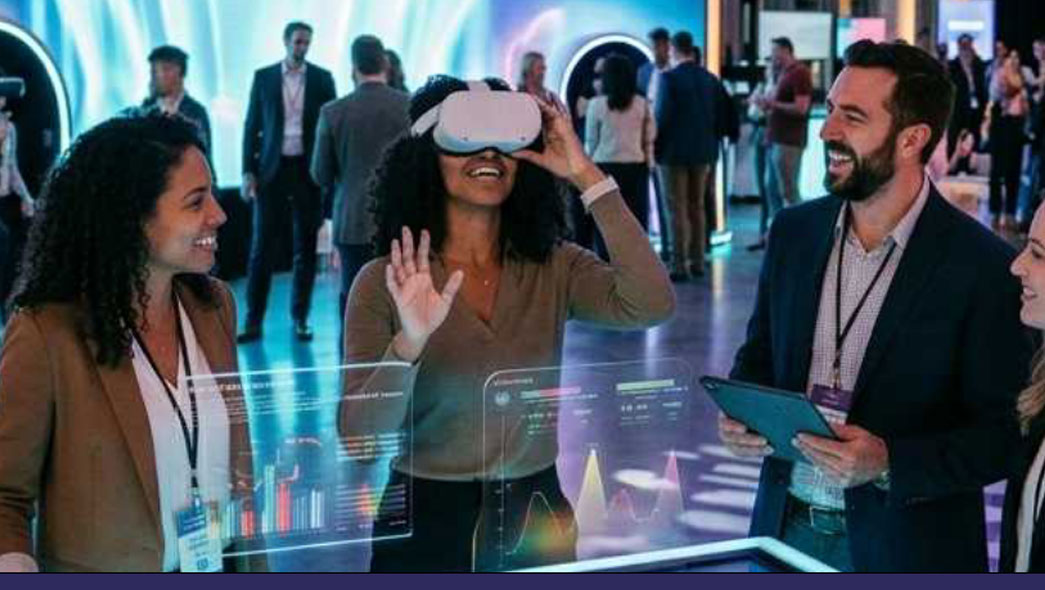
Artificial Intelligence is transforming the way event organizers interact with participants. Through machine learning algorithms and predictive analytics, AI can analyze attendee behavior, preferences, and interests to create personalized event experiences.
Key Applications of AI in Events:
- Personalized event experience
- Smart communication system
- AI-powered chatbots for attendee support
- Automated registration and ticketing
- Real-time translation and moderation
For example, AI can showcase different informative data, virtual experience through VR tailored to each attendee's professional interests. This not only improves engagement but also ensures that participants receive the most relevant content during the event.
Virtual Reality
Virtual Reality (VR) is transforming event participation by allowing attendees to enter immersive digital environments where they can explore virtual exhibition halls, experience 3D product demonstrations, and attend sessions from anywhere in the world. This technology enables interactive training simulations, virtual walkthroughs, and remote participation through highly engaging environments. VR also expands the global reach of events by allowing people who cannot travel to still experience conferences and exhibitions as if they were physically present. Many modern events now incorporate metaverse-style platforms where participants can interact through avatars, explore digital booths, and join interactive presentations.
An organised strategy was employed to ensure efficiency throughout the venue and to enable visitors to move around the festival comfortably.
Data Analytics — Understanding Attendee Behavior
Data has become one of the most valuable assets in event management. Modern event platforms collect real-time insights about attendee behavior, enabling organizers to continuously improve engagement and event outcomes.
Key Benefits of Data Analytics:
- Tracking attendee engagement and participation
- Measuring session popularity and feedback
- Identifying interest patterns
- Optimizing event schedules and logistics
Data-driven insights allow organizers to adapt content and programming dynamically, ensuring the event remains engaging throughout its duration. Additionally, analytics can help sponsors and exhibitors understand audience interests, lead generation potential, and return on investment (ROI).
The Rise of Hybrid and Smart Events
One of the most significant changes in the event industry is the emergence of hybrid events, combining physical and virtual experiences. Emerging technologies make this possible by integrating live streaming, AI interaction tools, and immersive environments.
Key features of hybrid events include:
- Live and virtual participation options
- Interactive online networking
- Digital event platforms
- AI-driven content recommendations
These technologies ensure that events are accessible, inclusive, and scalable, reaching audiences across the globe.
Smart Venues and IoT Integration
- Smart venues equipped with Internet of Things (IoT) technology are also transforming attendee experiences. Sensors and intelligent systems can adjust lighting, sound, temperature, and seating arrangements based on crowd behavior and preferences.
- This technology creates adaptive environments that respond to attendee needs in real time, improving comfort and engagement.
Immersive Experiences: The Future of Events
Conclusion
The integration of AI, VR, and data analytics is transforming the event industry by creating more intelligent and immersive experiences. Future events will be highly personalized, interactive, and data-driven, enhancing attendee engagement. For governments, corporations, and organizations, adopting these technologies is essential to delivering exceptional events.
- Immersive technology is already reshaping large-scale events worldwide. Advanced LED displays, spatial audio systems, and interactive installations are creating multi-sensory environments that blur the line between physical and digital experiences.
- Events such as immersive concerts and interactive exhibitions demonstrate how technology can transform audiences from passive viewers into active participants.